

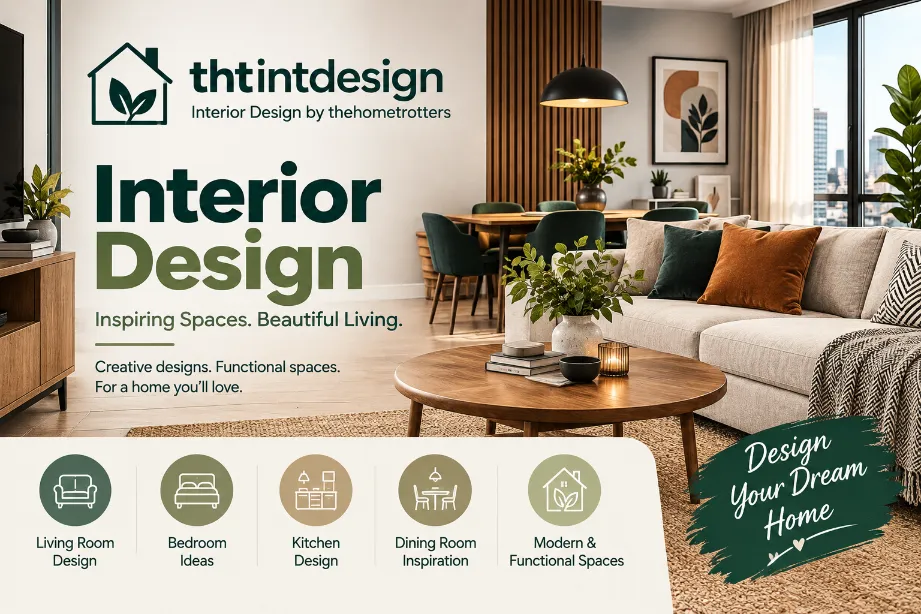
ThTintDesign interior design by TheHomeTrotters focuses on room layouts, furniture selection, color palettes, lighting, and practical home decoration. Its design ideas help homeowners create comfortable spaces that suit their personal taste, available room size, and budget. From a small apartment to a spacious family house, thoughtful interior planning can improve both appearance and daily comfort.
What Is ThTintDesign Interior Design by TheHomeTrotters?
ThTintDesign interior design by TheHomeTrotters is a home design topic related to modern decorating ideas, space planning, furniture arrangements, sustainable materials, and home improvement inspiration. The main goal of interior design is to make a room attractive, functional, and suitable for the people using it.
The main areas of residential interior design include:
-
Living room design: Comfortable seating, coordinated colors, rugs, curtains, and suitable lighting.
-
Bedroom decoration: Calm wall colors, practical storage, soft fabrics, and bedside lighting.
-
Kitchen planning: Accessible storage, durable surfaces, task lighting, and efficient work areas.
-
Bathroom styling: Suitable tiles, mirrors, fixtures, and moisture-resistant finishes.
-
Small-space design: Compact furniture, vertical storage, mirrors, and clear walking paths.
-
Sustainable interiors: Durable products, secondhand furniture, and materials with a lower environmental footprint.
These ideas provide a useful starting point for homeowners planning a room refresh or a larger renovation.
Main Design Principles Behind ThTintDesign
Good interior design balances comfort, appearance, and practical use. A room should suit its purpose while maintaining a consistent visual style.
| Design principle | Practical use at home |
|---|---|
| Color harmony | Pair neutral walls with two complementary accent colors. |
| Furniture scale | Match furniture dimensions to the room’s floor area. |
| Natural light | Keep windows clear of bulky furniture and heavy curtains. |
| Layered lighting | Combine ceiling lights, table lamps, and task lights. |
| Texture | Pair wood, linen, wool, glass, or metal for visual variety. |
| Storage | Use shelves, baskets, cabinets, and furniture with hidden storage. |
| Personal style | Display artwork, books, souvenirs, and handmade objects. |
These principles help create a unified home without requiring identical furniture or expensive decorative pieces.
How to Choose the Right Interior Color Palette
Color sets the mood of a room. Soft shades can create a calm atmosphere, while deeper colors add contrast and character. The right palette depends on room size, daylight, flooring, furniture, and personal taste.
A practical starting point is the 60-30-10 color rule. This decorating guideline assigns roughly 60% of a room to a dominant color, 30% to a secondary color, and 10% to an accent color.
| Color share | Where to use it | Example |
|---|---|---|
| 60% | Walls and larger surfaces | Warm white, cream, or light gray |
| 30% | Sofas, curtains, or bedding | Olive green, navy, or muted brown |
| 10% | Cushions, artwork, or accessories | Terracotta, mustard, or brass |
Use these percentages as a guide rather than a strict requirement. A colorful bedroom or a dark living room can work beautifully with a different balance.
Helpful color-selection tips:
-
Test paint samples under daylight and evening lighting.
-
Match wall colors with existing flooring and large furniture.
-
Repeat one accent shade across cushions, artwork, and smaller decorative pieces.
-
Limit competing patterns in a compact room.
-
Choose washable finishes for busy family areas.
Living Room Interior Design Ideas
The living room serves many purposes, from relaxing after work to hosting guests and spending time with family. A practical layout should support these activities without making movement difficult.
Start by placing the largest furniture pieces. Arrange the sofa and chairs around a natural focal point, such as a window, television, or fireplace. Add a rug to define the seating area and smaller tables for everyday convenience.
For a comfortable living room, consider these ideas:
-
Choose a sofa that fits the available floor space.
-
Keep clear walking routes between doors and seating.
-
Add floor or table lamps for evening reading.
-
Use curtains that suit the window size and privacy needs.
-
Display a few personal objects instead of filling every shelf.
-
Choose an ottoman or coffee table with storage for small items.
For a small apartment, a slim sofa, nesting tables, wall-mounted shelves, and a light-colored rug can help preserve open floor space.
Bedroom Design for Comfort and Style
A bedroom should support rest while providing enough storage for clothing, bedding, and personal belongings. Soft colors, comfortable fabrics, and gentle lighting can create a relaxing atmosphere.
Consider this practical bedroom design plan:
| Feature | Suggested approach |
|---|---|
| Bed placement | Leave enough room to access the bed comfortably. |
| Wall color | Try soft green, warm white, muted blue, or beige. |
| Lighting | Use bedside lamps with suitable brightness for reading. |
| Storage | Choose drawers, wardrobes, and under-bed containers. |
| Bedding | Pair breathable fabrics with two or three coordinated shades. |
| Wall decoration | Hang artwork at a comfortable viewing height. |
Avoid purchasing large bedside tables or wardrobes before measuring the room. Accurate measurements help prevent crowded walkways and awkward furniture placement.
Kitchen Interior Design and Space Planning
Kitchen design requires a balance of appearance, storage, cleaning, and safe movement. The placement of the sink, cooking area, refrigerator, and preparation surfaces affects daily convenience.
A well-planned kitchen can benefit from:
-
Frequently used utensils stored close to the cooking area.
-
Drawers and cabinets arranged by task.
-
Durable worktops suited to cooking and cleaning.
-
Bright task lighting over preparation surfaces.
-
Easy-to-clean flooring and backsplash materials.
-
Clear access to cupboards, appliances, and entryways.
For a small kitchen, vertical shelves, drawer organizers, magnetic utensil holders, and light cabinet colors can help make better use of available space.
Material selection also matters. Natural stone, engineered surfaces, ceramic tiles, and laminate each have different costs, care requirements, and durability characteristics. Review the manufacturer’s cleaning instructions before making a purchase.
Bathroom Interior Design Ideas
A bathroom can feel more comfortable with coordinated fixtures, suitable lighting, practical storage, and finishes designed for moisture-prone areas.
Popular bathroom updates include:
-
Large mirrors to improve light distribution.
-
Wall-mounted shelves for toiletries.
-
Slip-resistant flooring appropriate for wet areas.
-
Moisture-resistant paint and suitable ventilation.
-
Storage beneath the vanity.
-
Simple hardware in coordinated finishes.
A vessel sink can provide a distinctive look, though its height, splash control, cleaning needs, and compatibility with the countertop deserve attention before installation.
Small-Space Interior Design Solutions
Small homes need careful furniture placement and storage planning. The goal is to make each area useful without filling every available corner.
| Space challenge | Practical solution |
|---|---|
| Limited floor area | Use compact furniture with suitable proportions. |
| Few storage options | Add vertical shelving and under-bed storage. |
| Dark corners | Position mirrors and lamps to improve light distribution. |
| Crowded entryway | Add wall hooks, a narrow bench, and shoe storage. |
| Combined living and dining areas | Define separate zones with rugs and lighting. |
| Cluttered surfaces | Store everyday items in drawers or closed cabinets. |
Furniture with more than one purpose can be especially helpful. A storage bench can provide seating and a place for blankets, while a foldable dining table can free up room outside mealtimes.
Sustainable Interior Design Choices
Sustainable interior design places emphasis on product lifespan, responsible material use, and reduced waste. Homeowners can apply these ideas during a small makeover or a complete renovation.
Useful options include:
-
Repairing solid wood furniture instead of replacing it.
-
Buying secondhand tables, chairs, and decorative pieces.
-
Selecting durable materials that suit the room’s conditions.
-
Using LED lighting to reduce electricity consumption.
-
Donating usable furniture and recycling suitable renovation waste.
-
Choosing low-emission paints and finishes where available.
-
Purchasing only the materials needed for the project.
Check product specifications and local availability before assuming a material has environmental benefits. A durable product that suits its intended use can reduce replacement needs over time.
Budget-Friendly Interior Design Tips
A stylish room does not require a complete renovation. Small, carefully selected changes can refresh the appearance of a home while keeping spending under control.
| Project | Lower-cost option |
|---|---|
| Tired walls | Repaint with a coordinated color. |
| Dated cabinets | Replace handles or repaint suitable surfaces. |
| Plain living room | Add cushions, a rug, or framed artwork. |
| Poor lighting | Add a suitable floor lamp or table lamp. |
| Messy storage | Use baskets, drawer dividers, and labeled containers. |
| Old furniture | Refinish, repair, or reupholster suitable pieces. |
Before shopping, set a spending limit and list the items that need attention. Allocate more money to heavily used pieces, such as a sofa, mattress, or dining table, and save on accessories that are easy to replace.
A Step-by-Step Plan for Redesigning Your Home
A clear sequence makes interior projects easier to manage and helps reduce unnecessary purchases.
-
Assess the room: Record its dimensions, existing furniture, lighting, and storage needs.
-
Set your budget: Reserve funds for materials, furniture, labor, and unexpected costs.
-
Create a mood board: Collect colors, finishes, furniture styles, and room layouts you like.
-
Plan the layout: Mark furniture positions and preserve practical walking routes.
-
Select materials: Compare durability, maintenance, appearance, and cost.
-
Complete major work first: Handle electrical changes, painting, flooring, and other renovation tasks in the appropriate order.
-
Arrange furniture: Position large items before adding accessories.
-
Finish the details: Add lamps, curtains, artwork, cushions, and storage organizers.
For electrical, structural, plumbing, or major renovation work, consult appropriately qualified professionals. Good planning cannot replace the technical checks required for safe installation.
Who Can Benefit From ThTintDesign Interior Design Ideas?
The design guidance can help a range of homeowners and renters, particularly those planning a room refresh or trying to make better use of limited space.
-
New homeowners can plan furniture, colors, and storage before moving in.
-
Renters can refresh their rooms with removable décor and portable furniture.
-
Families can prioritize durable finishes and easy-to-clean fabrics.
-
Apartment residents can use compact furniture and vertical storage.
-
DIY decorators can plan affordable improvements at their own pace.
-
Homeowners preparing for renovation can compare layouts, materials, and project costs.
The most suitable approach depends on the property’s condition, the available budget, and the needs of its occupants.
Final Thoughts
ThTintDesign interior design by TheHomeTrotters provides a useful subject for readers interested in modern interiors, room layouts, color coordination, furniture selection, and practical home improvements. A balanced design approach combines visual appeal with everyday comfort and functionality.
Start with measurements, a realistic budget, and a clear plan for each room. Then select colors, lighting, furniture, and materials that work together. Even modest changes can make a home feel more organized, comfortable, and personal.
