

Training Advice llblogkids focuses on practical ways to improve learning, develop useful skills, and create healthy training habits. Students, young learners, parents, and beginners can benefit from a clear routine, realistic goals, regular practice, and helpful feedback.
Good training does not require expensive equipment or long study sessions. A simple plan, suitable learning activities, and steady effort can help learners make progress at school, at home, in sports, and during creative projects.
What Is Training Advice llblogkids?
Training Advice llblogkids can serve as a topic for educational guidance aimed at children, students, and families. The main idea is to make learning easier through manageable tasks, regular practice, positive encouragement, and age-appropriate activities.
A useful training routine gives learners a clear starting point and helps them track their progress. Parents and teachers can also use these methods to support children without placing unnecessary pressure on them.
The main areas of effective training are:
- Goal setting: Choose one clear skill to improve.
- Daily practice: Set aside a reasonable amount of time for learning.
- Active participation: Use exercises, games, projects, and demonstrations.
- Feedback: Correct mistakes and celebrate progress.
- Rest: Allow time for sleep, breaks, and recreation.
Why Is a Good Training Routine Helpful?
A regular training routine gives learners structure. It helps them manage their time, practise important skills, and develop greater confidence through experience.
Children may struggle with a difficult task at first. Smaller activities can make that task feel manageable and provide opportunities for gradual improvement.
A useful routine can support:
- Better time management and organisation.
- Improved reading, writing, and problem-solving skills.
- Stronger concentration during short learning sessions.
- Greater confidence during schoolwork and group activities.
- Healthy habits around exercise, creativity, and independent learning.
Progress varies from one learner to another. Parents and teachers should focus on individual improvement rather than comparing children with classmates or siblings.
Best Training Tips for Students and Young Learners
1. Set Small and Realistic Goals
Start each training session with one clear objective. A learner who wants to improve reading can practise a short passage, learn a few new words, or read aloud for several minutes.
Small goals make progress easier to measure. After completing a task, the learner can move towards a slightly harder activity.
For example, a weekly learning plan might focus on spelling practice, basic mathematics, reading fluency, or a beginner-level sport.
2. Create a Consistent Schedule
A regular schedule helps learners prepare for their activities and manage other responsibilities. Select a time that fits school hours, family routines, meals, and rest.
A simple schedule could look like this:
| Activity | Suggested time |
|---|---|
| Reading practice | 15 minutes |
| Mathematics exercises | 15 minutes |
| Creative activity | 20 minutes |
| Physical movement | 20–30 minutes |
| Review and preparation | 10 minutes |
These times are examples, not strict rules. Adjust the routine to suit the child’s age, energy, needs, and existing commitments.
3. Make Learning Interactive
Active learning gives children opportunities to use their skills rather than only read or listen. Parents and teachers can turn ordinary lessons into enjoyable activities.
Try these ideas:
- Use flashcards to practise vocabulary.
- Solve puzzles to develop logical reasoning.
- Use counting games to practise mathematics.
- Create drawings or models for school projects.
- Read a passage and ask the learner to explain its main idea.
- Practise a sport through short drills and simple challenges.
Interactive activities can make difficult subjects easier to approach while giving learners a chance to apply their knowledge.
4. Give Helpful and Positive Feedback
Feedback works best if it explains what the learner did well and what needs more practice. General praise has less practical value than a clear comment about a specific action.
For example, a parent might say, “You checked your calculations carefully. Now review the second step to correct the answer.”
This approach recognises effort and gives the learner a practical next step. Avoid harsh criticism, embarrassment, or punishment for ordinary learning mistakes.
5. Allow Time for Rest
Long training sessions can lead to tiredness and reduced concentration. Short breaks help learners return to their activities with more energy.
Children also need enough sleep, free play, social interaction, and time away from schoolwork. A healthy routine balances learning with physical and emotional needs.
Training Methods for Different Learning Goals
The best method depends on the skill a learner wants to improve. Reading requires different activities from sports, creative work, or computer skills.
| Training goal | Useful method | Example activity |
|---|---|---|
| Reading | Regular reading and discussion | Read a short passage and summarise it |
| Mathematics | Guided practice | Solve a few problems and check the answers |
| Writing | Drafting and revision | Write a paragraph and correct spelling |
| Physical fitness | Age-appropriate movement | Practise balance, coordination, or basic sports skills |
| Creativity | Hands-on projects | Draw, paint, build a model, or write a poem |
| Digital skills | Supervised practice | Learn basic typing or use an educational program |
| Communication | Conversation and teamwork | Explain an idea or complete a group task |
Learners can work on more than one area, but a small number of priorities usually makes a training plan easier to manage.
How Parents Can Support Better Training
Parents can help children make progress by providing a calm space, suitable learning materials, and a regular routine. Their role involves guidance rather than constant supervision.
Try these practical steps at home:
- Set up a quiet study area with good lighting.
- Keep books, stationery, and learning materials within reach.
- Ask the child to select a small daily goal.
- Give children time to solve problems independently.
- Review completed work together and discuss mistakes calmly.
- Reward consistent effort with praise, encouragement, or a favourite activity.
- Keep expectations realistic and allow room for hobbies and family time.
Parents can also speak with teachers to identify areas that need extra support. A shared plan helps children receive consistent guidance at school and at home.
Training Advice for Physical Fitness
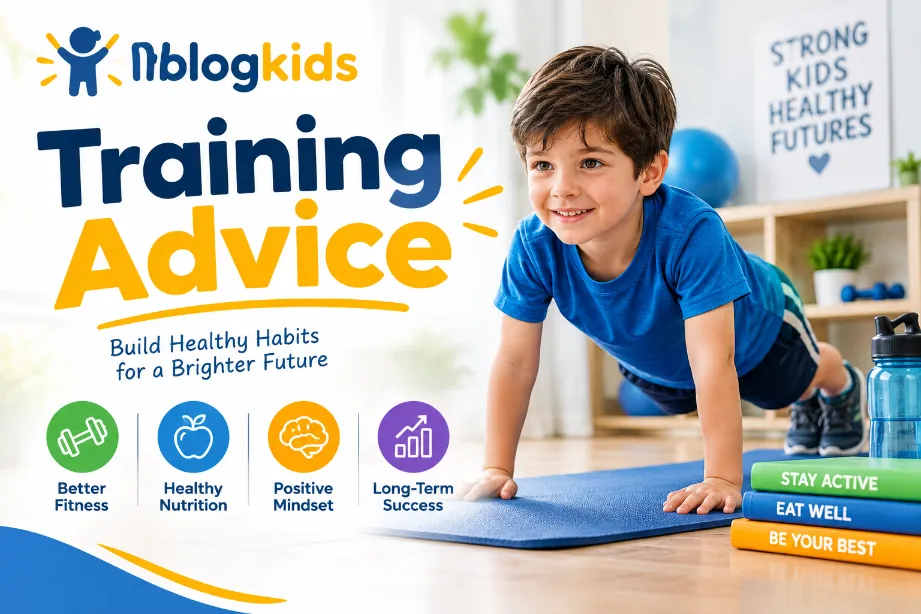
Physical training supports coordination, strength, balance, and general health. Children benefit from enjoyable movement suited to their age, ability, and experience.
For children and teenagers aged 6–17, a widely used public health recommendation is at least 60 minutes of moderate-to-vigorous physical activity each day. Activities can take place across several shorter sessions rather than one long workout.
Suitable activities may feature:
- Walking, cycling, running, or swimming.
- Football, cricket, basketball, or other age-appropriate sports.
- Dancing, skipping, and outdoor games.
- Climbing and supervised bodyweight exercises.
- Stretching and balance exercises suited to the child’s ability.
Children should start at a comfortable level and increase activity gradually. Use suitable protective equipment for sports, provide water, and allow recovery time. A qualified coach or healthcare professional can offer guidance for specialised training or individual health needs.
Common Training Mistakes to Avoid
A training plan can lose its value if it creates unnecessary pressure or ignores a learner’s needs. A few adjustments can make daily practice more productive.
| Common mistake | Better approach |
|---|---|
| Setting too many goals | Focus on one or two priorities |
| Expecting instant results | Track small improvements over time |
| Using long sessions for every task | Break demanding work into manageable sessions |
| Criticising every mistake | Give clear guidance and allow another attempt |
| Comparing siblings or classmates | Measure progress against personal goals |
| Ignoring tiredness | Add rest and adjust the workload |
| Repeating the same activity every day | Use different exercises and learning methods |
| Skipping progress reviews | Review goals weekly and make suitable changes |
A balanced approach helps learners maintain interest and develop skills at a comfortable pace.
A Simple Weekly Training Plan
A weekly plan gives families a starting point for organising study, exercise, and creative activities. Adjust the schedule to school hours, personal interests, and the learner’s age.
| Day | Main activity | Additional task |
|---|---|---|
| Monday | Reading and vocabulary | Review new words |
| Tuesday | Mathematics practice | Solve a few extra problems |
| Wednesday | Creative learning | Draw, paint, or complete a project |
| Thursday | Writing practice | Edit a short paragraph |
| Friday | Review schoolwork | Identify areas needing practice |
| Saturday | Outdoor games or sports | Enjoy a favourite hobby |
| Sunday | Light review and rest | Prepare materials for the next week |
This sample plan does not replace schoolwork or physical activity recommendations. Families can change the tasks, shorten sessions, or add breaks to suit individual needs.
How to Track Training Progress
A simple progress record helps learners see their achievements and identify areas for further practice. There is no need for complicated software or expensive tools.
Use a notebook or a basic checklist to record:
- The skill practised each day.
- The task completed.
- Any difficulty experienced.
- Feedback from a parent, teacher, or coach.
- The next small goal.
Review the record once a week. For example, a child learning multiplication can note the number of problems solved correctly and practise the areas that need more work.
Progress records should encourage learning rather than create pressure. A missed session offers an opportunity to adjust the schedule and start again.
Final Thoughts
Training Advice llblogkids can guide families towards practical learning routines, steady skill development, and healthy daily habits. Clear goals, regular practice, constructive feedback, suitable exercise, and enough rest give learners a helpful foundation.
What does Training Advice llblogkids mean?
Training Advice llblogkids is a search topic for practical guidance on learning routines, skill development, study habits, physical activity, and family support. The phrase alone does not verify the existence of a specific organisation or official training program.
How can children improve their learning skills?
Children can improve through regular practice, manageable goals, interactive activities, and specific feedback. Short sessions with a clear purpose can make daily learning easier to organise.
How much time should a child spend on training each day?
The suitable duration depends on the activity, age, and individual needs. Study sessions can be short, while physical activity follows separate age-based recommendations. For ages 6–17, the general recommendation is at least 60 minutes of moderate-to-vigorous physical activity per day.
Can parents provide training at home?
Yes. Parents can support reading, mathematics, creative projects, basic computer skills, and everyday organisation at home. Specialist sports or advanced technical activities may require a qualified instructor.
How can learners stay motivated?
Choose activities that match their interests, set realistic targets, recognise progress, and provide regular breaks. Giving learners some control over their goals can also encourage participation.
How can progress be measured?
Use weekly checklists, practice results, completed projects, and feedback from teachers or coaches. Compare current performance with earlier results instead of comparing one child with another.
